Impact system

Impact Pathway

How TIFF converts aquaculture into food security, jobs and lake stewardship.
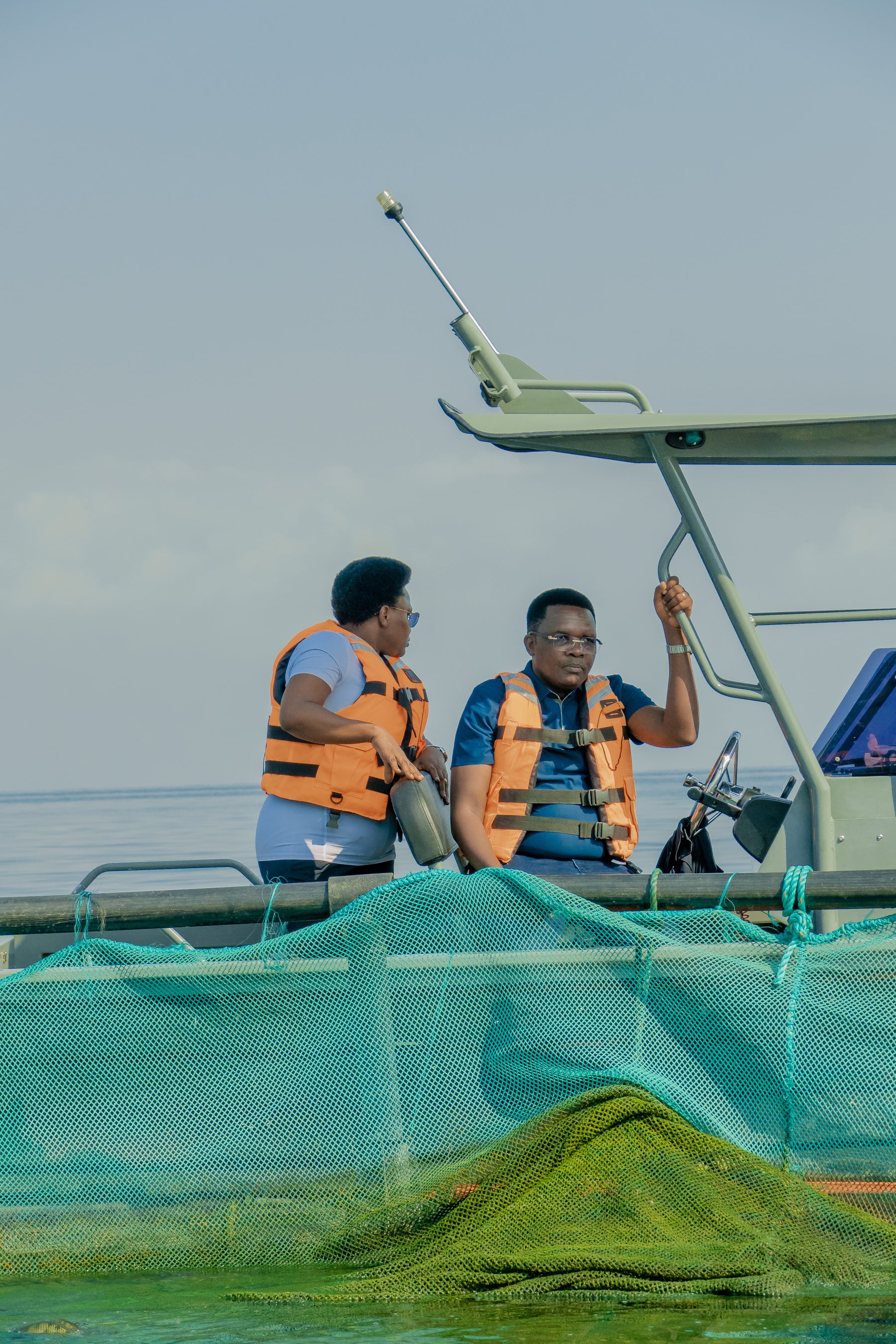
Impact Pathway - Tilapia Fish Farming operations
Tanganyika Blue ProteinImpact

Impact system

Impact Pathway and measurable development value.

Aquaculture operations convert into food security, decent work, inclusion, climate resilience and lake stewardship.

Company operations contribute to food security, decent jobs, inclusion, climate resilience and lake stewardship.

Theory of Change

Designed into the website as a working system.

The TOC is translated into structured web content so users can read the logic without opening a document.

Problem

  • Insufficient and declining fish supply
  • High post-harvest losses and poor quality
  • Livelihood vulnerability for youth and women
  • Environmental pressure on Lake Tanganyika

Inputs

  • Financial capital and working capital
  • Aquaculture team and cold-chain staff
  • Floating cages, boats, cold rooms and sensors
  • Partnerships, protocols, training and M&E

Intervention

  • Endemic Oreochromis tanganicae culture
  • Climate-smart cage aquaculture
  • Digital production monitoring
  • Solar cold chain and market linkages

Outputs

  • Cages stocked and operating
  • Temperature-monitored cold storage
  • Market agreements and buyer feedback
  • Jobs, training and performance data

Outcomes

  • Reliable pilot operations
  • More affordable fish supply
  • Higher and more stable incomes
  • Lower pressure on wild fish stocks

Impact

  • Sustainable inclusive aquaculture
  • Safe and nutritious fish for all
  • Quality jobs for youth and women
  • Lake Tanganyika conserved for future generations

Impact Logic

What changes if the model works

How TIFF converts aquaculture into food security, jobs and lake stewardship.

Food accessLocal fish supply becomes more reliable and more nutritious for households and institutions.
Jobs and skillsYouth and women access practical roles in production, quality, records, sales and services.
Lake stewardshipEvidence-based aquaculture reduces pressure on wild fisheries and documents safeguards.

Strategic Priorities

Priorities that shape execution.

TIFF connects technical production, disciplined management, partner confidence and social value across the Lake Tanganyika aquaculture corridor.

Food access

Local tilapia production can increase availability of affordable, nutritious fish.

Jobs and skills

The model creates work across cages, hatchery, cold chain, sales, records and cooperative services.

Lake stewardship

Monitoring and evidence help protect Lake Tanganyika while reducing pressure on wild fisheries.

Learning loop

Performance data, buyer feedback and environmental safeguards guide responsible scale-up.